Update the brand after feedback
Keep signal, cut confusion
After this, you'll be able to create a feedback-based brand update and use it to move from vague brand taste toward a usable identity system.
Before you start
Complete Launch the first brand version first.
The idea
The first audience response tells you what the brand makes clear and what it leaves confusing. This lesson asks you to make a feedback-based brand update, not a vague creative preference. The output should be specific enough that Claude, Canva, Adobe Express, Claude Design, or a designer can use it without guessing.
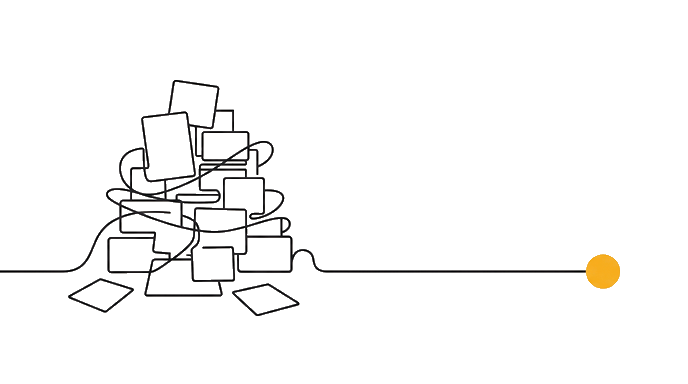
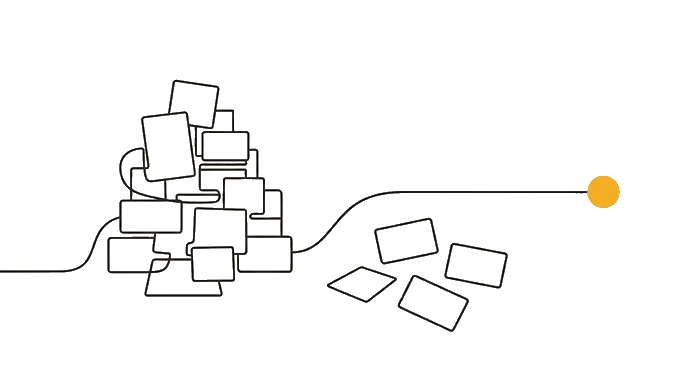
Here is the before and after: Before, feedback is treated as scattered opinions. After, Claude groups feedback into clarity, trust, recall, asset gaps, and taste notes, then recommends one update. For example, a solo service brand should show who it helps, what promise it makes, what proof supports that promise, and where the identity must appear first. A company brand should add rules for collaborators, templates, and repeated use.
Now try it: Paste real feedback and ask Claude to separate signal from taste. Make one choice before asking Claude to write: audience, promise, reference, asset type, tool, launch context, or review risk. That choice keeps the work from turning into generic brand inspiration.
| Before | After | |
|---|---|---|
| Input | Scattered | Named |
| Output | Guessing | a feedback-based brand update |
| Check | Hidden | Visible |
| Next step | Unclear | Ready |
The lesson turns a loose brand identity idea into an artifact you can inspect.
The lesson is done when the artifact can guide a real brand asset and survive one honest review.
Try it (15 min)
Watch out for
- Changing the brand after one person's taste note.
- Ignoring repeated clarity problems.
- Treating all feedback as equally important.
Paste this into Claude
Analyze this brand feedback: [paste]. Sort it into Clarity, Trust, Recall, Asset Gap, Taste Note, and Outlier. Recommend one update to make now, one to watch, and one to ignore.

If any input is missing, ask me up to three questions before producing the artifact. Then return five sections: Finished Artifact, Realistic Brand Example, Assumptions To Check, What I Should Use In The Next Lesson, and One Risk If I Use This Publicly Without Fixing It. Keep the answer practical enough that I can paste it into my brand working doc.
What a good response looks like
Finished Artifact:
- a feedback-based brand update
- Why it matters: it gives the brand system a concrete thing to inspect instead of a vague intention.
- Use it next: paste this artifact into the next lesson before asking Claude to write, build, import, publish, or review anything.

Reality Check:
- The artifact names the user, input, decision, owner, or proof it depends on.
- The weakest assumption is visible.
- The next step can be completed in one sitting.
What good looks like
- Feedback is grouped by type.
- One update is recommended.
- Watch and ignore items are included.
- The update connects to the brand job.
Go deeper (8 min)
Paste this into Claude
Without rereading the lesson, explain why a feedback-based brand update matters in three bullets. Then apply it to a second brand example: [describe a different solo brand, company, or project]. Return What Changed, What Stayed The Same, What To Check Before Public Use, and the exact next action.
What a good response looks like
Transfer Check:
- What changed: the second example has a different audience, input, or delivery context.
- What stayed the same: a feedback-based brand update still needs a source, a review check, and a next step.
- Before trusting it: inspect the brand review check that would catch a wrong assumption.
- Next action: run the check once, then carry the revised artifact into the next lesson.
What good looks like
- You explained the lesson idea from memory before applying it again.
- The second example changes the artifact instead of copying the first answer.
- The public-use check names a real risk.
- The next action can be done in one sitting.
When this breaks
- Breaks when every note causes a change because the brand loses consistency.
- Fails when repeated clarity problems are dismissed because the audience still does not understand.
AI can help with this
Paste the exercise prompt into Claude with your real brand context. Ask Claude to interview you one question at a time, produce a feedback-based brand update, challenge the weakest assumption, and rewrite the artifact once so it is ready for the next brand step.
You can now
You can point to a feedback-based brand update.
- You can explain what brand decision it makes clearer.
- You can name the assumption that still needs checking.
- You can use the output in the next lesson.
Key takeaways
Feedback should improve clarity and trust without turning the brand into a pile of opinions.
- Feedback needs sorting.
- Repeated clarity problems matter.
- Taste notes are not always direction.
- Updates should connect to the brand job.