Write a task brief Codex can finish
Scope, files, proof, and stop rule
After this, you'll be able to give Codex a coding task with scope, file boundaries, proof commands, and a clear stop rule.
Before you start
Complete Choose the right Codex surface first.
The idea
Codex does better work when the brief defines the finish line. A vague request like "fix the dashboard" forces Codex to infer scope, risk, and proof. A useful brief tells it what to change, what to leave alone, what to run, and where to stop.
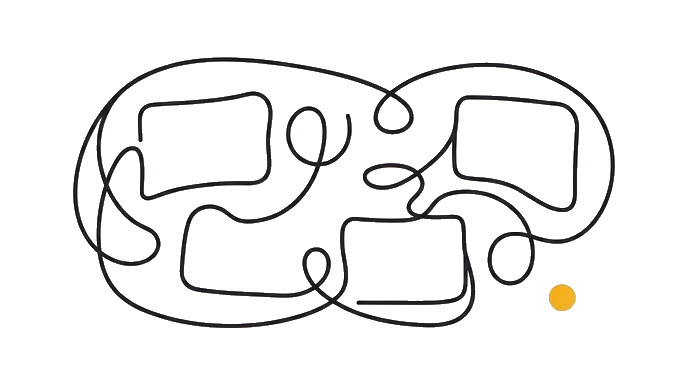
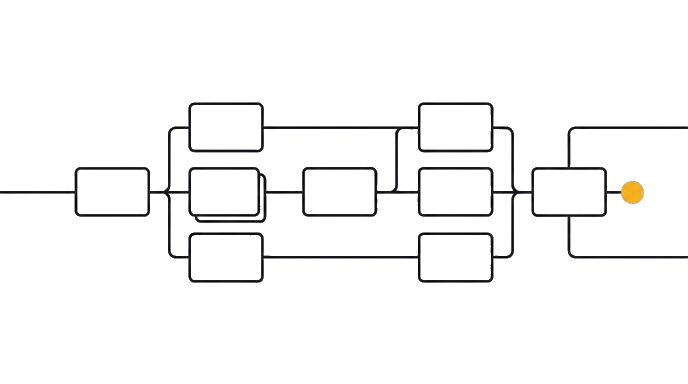
Here is the before and after: before, Codex is guessing from a loose request. After, you can give Codex a coding task with scope, file boundaries, proof commands, and a clear stop rule.
Now try it use the exercise prompt on one real repo task. Keep the output small enough to check before you accept the change.
You are ready when the Codex action, boundary, and proof all match the task.
Try it (9 min)
Watch out for
- Giving Codex a business goal with no code boundary.
- Leaving proof as 'make sure it works.' That is not a command or observation.
- Forgetting to name areas that are out of scope.
- Asking for refactors in the same task as a behavior fix.
Paste this into Claude
Rewrite this rough request into a Codex task brief:

Rough request: [paste your vague coding ask]
Known files or route: [paste any known path, or write unknown]
Do not touch: [paths, APIs, auth, secrets, data, or none]
Proof I can run: [test, build, page, screenshot, or unknown]
Stop if: [condition that should trigger a question]

Return:
1. A one-paragraph Codex brief.
2. A file boundary.
3. A proof list.
4. One stop rule.
What a good response looks like
Brief: Fix the profile save button so changed display names persist after refresh. Start in src/app/profile and src/lib/profile. Do not touch billing, auth middleware, or database schema. Run npm test -- profile, npm run build, and manually check /profile. Stop if the fix requires a schema change or new environment variable.
What good looks like
- The rewritten brief names one outcome
- The boundary includes files, folders, routes, or unknowns to inspect first
- The proof list contains at least one concrete check
- The stop rule prevents risky guessing
When this breaks
- Breaks when Codex chooses the wrong owner file because the brief never named the route or module.
- Breaks when the proof step is missing because review becomes a vibes check instead of evidence.
AI can help with this
Use Codex to help you you can give Codex a coding task with scope, file boundaries, proof commands, and a clear stop rule. Start with the exercise prompt and your real input. Ask for one draft, then check it against this proof: The rewritten brief names one outcome. Accept only the version you can verify yourself.
You can now
You can name a finish line
- You can bound the files or discovery area
- You can name proof commands or page checks
- You can decide when Codex should pause
Key takeaways
A Codex brief is a contract. It tells Codex where to work, how to prove it, and when to stop.
- Scope names the outcome.
- Bounds protect unrelated code.
- Proof turns review into evidence.
- A stop rule prevents risky invention.
Go deeper