Use MCP only for a real gap
More tools only help when they close a task boundary
After this, you'll be able to name the gap an MCP server closes for Codex and reject MCP setup when the repo already has enough context.
Before you start
Complete Use computer use for GUI work first.
The idea
MCP is not a badge. It is a way to give Codex context or tools it does not already have. Codex already reads the repo, runs commands, and uses configured surfaces. Add MCP only when the task crosses a boundary Codex cannot cross safely otherwise.
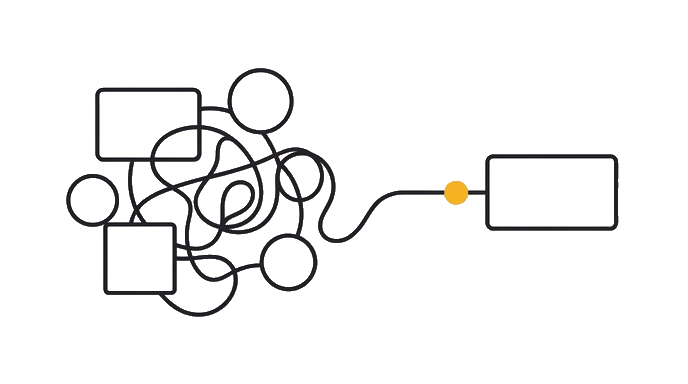
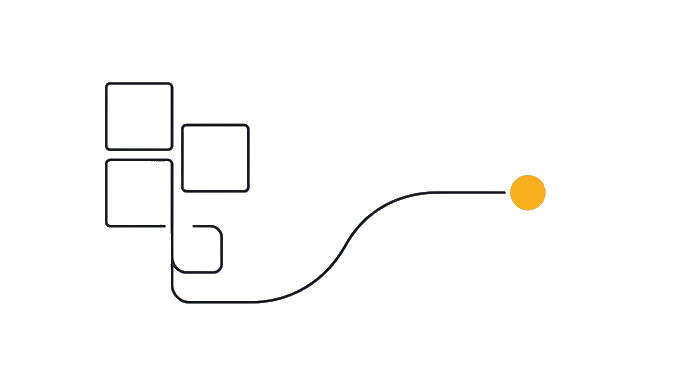
Here is the before and after: before, Codex is guessing from a loose request. After, you can name the gap an MCP server closes for Codex and reject MCP setup when the repo already has enough context.
Now try it use the exercise prompt on one real repo task. Keep the output small enough to check before you accept the change.
You are ready when the Codex action, boundary, and proof all match the task.
Try it (12 min)
Watch out for
- Installing MCP before defining the missing capability.
- Giving Codex write-capable tools when read-only proof would be enough.
- Duplicating file access Codex already has.
- Ignoring tool output injection because the tool feels trusted.
Paste this into Claude
Run the MCP gap test:

Task: [describe task]
What Codex can already see: [repo, tests, browser, files, docs]
External context or action needed: [Figma, browser, docs, database, app, none]
Candidate MCP server: [name, or unknown]
Approval risk: [read-only, write, destructive, unknown]

Return:
1. Add MCP or skip MCP.
2. The exact gap it closes.
3. The approval or proof needed after adding it.
4. A simpler fallback if MCP is not ready.
What a good response looks like
Add browser MCP only if the route requires signed-in state and the in-app browser cannot access it. Gap: Codex needs to verify a user-only flow. Risk: browser can act in an authenticated session, so approve actions narrowly and capture screenshots.
What good looks like
- The answer names the context or action gap
- MCP is skipped when Codex already has enough access
- Approval risk is named
- A fallback exists
When this breaks
- Breaks when MCP expands access without adding useful task context.
- Breaks when tool responses are trusted without review and introduce hostile instructions.
AI can help with this
Use Codex to help you you can name the gap an MCP server closes for Codex and reject MCP setup when the repo already has enough context. Start with the exercise prompt and your real input. Ask for one draft, then check it against this proof: The answer names the context or action gap. Accept only the version you can verify yourself.
You can now
You can name the gap MCP closes
- You can skip MCP when it adds no value
- You can classify MCP approval risk
- You can choose a fallback
Key takeaways
Add MCP for a real boundary Codex cannot cross. More tools without a gap create more risk, not better work.
- MCP connects Codex to outside tools and context.
- Codex supports MCP in CLI and IDE extension.
- A useful MCP server closes a named gap.
- Tool responses still need trust checks.