Part of the Level 0 core path · Lesson 2 of 5
Context Is Your Superpower
After this, you'll be able to write a context-rich prompt that gets a noticeably better response than a vague one.
Before you start
Complete Your First Useful Output first; this lesson builds on the briefing habit you practiced there.
The idea
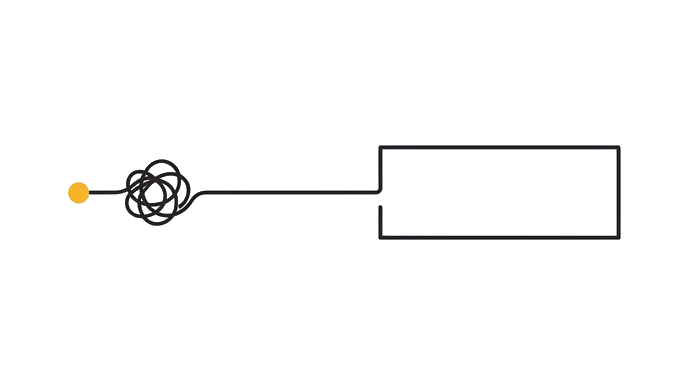
Every conversation with Claude starts from zero. Claude does not know who you are, what you do for work, what project you are in the middle of, or what 'good' looks like for you. This is not a flaw. It is just the reality of how the tool works. The implication is simple: the more of your situation you include upfront, the better the response will be. Not because you are teaching Claude anything permanently, but because you are narrowing down what a useful answer looks like.
Context has four ingredients that matter most. First, who you are: your job or role, because the same question means something different for a nurse versus a marketing manager. Second, what you are working on: the specific project or task, not a category. Third, who the audience is: who will read or use the output you are creating. Fourth, what success looks like: even a rough description of the result you want.
Here is the before and after: A business owner asks: 'Help me write a job posting.' Result: a generic template anyone could find with a search. The same person asks: 'I am a small business owner running a 6-person bakery in Austin. I need to hire a part-time front-of-house person for weekend shifts. The ideal candidate is friendly and reliable, does not need to know baking. Our vibe is casual and community-focused. Help me write a 150-word posting I can put on Instagram.' The second prompt takes 30 seconds longer to write and produces something ready to post.
Be precise, not long. Three specific sentences beat one vague paragraph every time.
Try it (15 min)
Watch out for
- Skipping the 'who you are' part. The same question means something completely different depending on the role asking it.
- Forgetting to paste your current draft. Claude works better with something to react to than with a blank slate.
- Writing a long paragraph of background when two precise sentences would do. Length is not the same as context quality.
- Treating context as a one-time thing. If the response is off, the fix is usually more context, not a different question.
Paste this into Claude
I'm a [who you are]. I'm working on [what the project is]. The audience is [who will read or use this]. The goal is [what success looks like]. Here's what I have so far: [paste your draft or current state]. What I need from you: [specific ask].
What a good response looks like
Here's a 150-word job posting for your weekend front-of-house role at a community bakery in Austin:

'Sunrise Bakery is looking for a friendly, reliable person to join our weekend front-of-house team. Saturdays and Sundays, roughly 7am to 2pm. You'll be greeting customers, running the register, and keeping the counter area tidy and welcoming. No baking experience needed. We'll show you everything you need to know about the pastry case.

What we're looking for: someone who genuinely enjoys talking to people, shows up on time, and takes pride in small details. Our regulars are neighborhood folks who've been coming in for years. We want them to feel like they're seeing a friend.

Interested? Send us a quick note about yourself and when you're available. DMs welcome.'

Want me to adjust the tone, add a pay range, or shorten it for Instagram's caption limit?
What good looks like
- You ran the same task with a vague prompt and a detailed prompt
- The detailed version was noticeably more useful
- You can name what specifically made the second one better
- Your context included at least three of the four ingredients: who you are, what you are working on, who the audience is, what success looks like
- Your detailed prompt was under 150 words and still more effective than the vague one
When this breaks
- Breaks when context is long but unfocused, because the model spends its attention on whatever you mentioned most rather than what you actually needed. A 400-word backstory that buries your real ask produces a worse answer than three precise sentences naming role, audience, and success.
- Breaks when the four ingredients pull in different directions. If you say you are a senior executive but ask for a casual TikTok caption with a corporate-formal tone, the model picks one signal and ignores the others, and you do not get to control which one wins.
AI can help with this
Paste your original vague prompt into Claude and say: 'Rewrite this prompt so it gives you better context to work with. Ask me the questions you would need answered.' Let it interview you. You do not have to figure out what context is missing. Claude will ask for it.
You can now
Write a single prompt under 150 words that names your role, your project, your audience, and your success criterion, and produces a response noticeably more useful than a one-line version of the same request.
Key takeaways
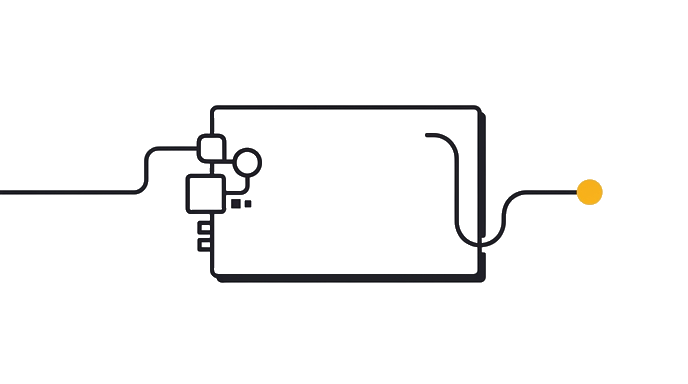
Context is not extra work. It is the actual job. The prompt is the product. Spend the 30 seconds to write a real brief.
- Context is the prompt. Spend 30 seconds writing a real brief instead of typing a vague question.
- Four ingredients carry most of the signal: who you are, what you're working on, who the audience is, what success looks like.
- Precision beats length. Three specific sentences beat one vague paragraph every time.
- Paste your current draft so Claude has something to react to, not a blank slate.
- If the response is off, add context. The fix is rarely a different question.