Move context without drift
Projects, files, memory, and summaries
After this, you'll be able to move context from one AI tool to another using a source list, decision list, and unknowns list.
Before you start
Complete Split chat work from repo work first.
The idea
Context transfer fails when the next tool cannot tell source facts from conversation residue.
- "Sources"
- "Decisions"
- "Unknowns"
- "Exclusions"
Memory systems: ChatGPT Projects and Claude Projects can hold files, instructions, and chat context. Codex and Claude Code load repo instructions and inspect files. Those are different memory systems.
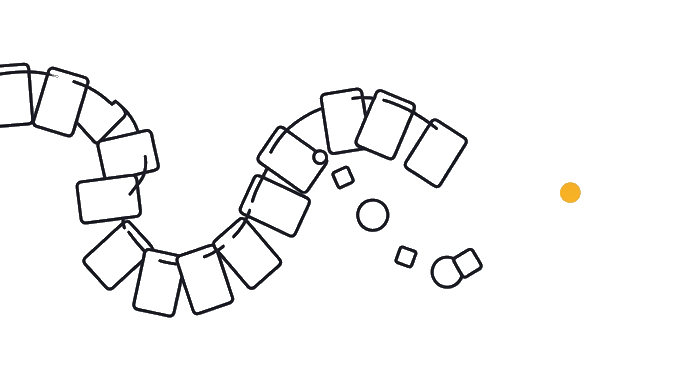
Packet shape: a safe context packet has four parts. Sources are the files, links, screenshots, docs, or repo paths that matter. Decisions are things a human approved.
Unknowns are facts the next tool must verify. Exclusions are things that should not be used, such as private files, stale notes, or rejected ideas.
Do not ask one tool to "remember everything" for another tool. GPTs may not use saved memory or previous conversations. Claude chat memory and Claude Code memory are separate.
Codex reads AGENTS.md guidance in the active workspace. Each tool needs context placed where that tool can actually read it.
Worked example: ChatGPT summarizes customer notes for a pricing page. The packet sends Codex the source notes path, the approved CTA, one unknown about checkout reuse, and old enterprise copy as excluded. Codex can now inspect files instead of trusting the chat.
When context crosses tools, package it as source, decisions, unknowns, and exclusions. That protects the work.
Try it (12 min)
Watch out for
- Moving memory assumptions into a tool that cannot read that memory.
- Saving a temporary preference as a permanent project instruction.
- Forgetting to mark rejected ideas as rejected.
- Treating chat search as a replacement for attaching the actual source file.
Paste this into Claude
Build a context transfer packet:

From tool: [ChatGPT, Claude chat, Codex, or Claude Code]
To tool: [ChatGPT, Claude chat, Codex, or Claude Code]
Task: [what the next tool must do]
Available sources: [files, links, repo paths, screenshots, chats]
Approved decisions: [what is already decided]
Unknowns: [what must be checked]
Exclusions: [what should not be used]

Return a packet the next tool can read before work starts.
What a good response looks like
Sources: pricing-notes.md, competitor screenshots, /src/app/pricing. Decisions: keep the current three-plan structure and trial copy. Unknowns: whether the CTA text is reused in checkout. Exclusions: old enterprise plan notes from March. Place this in the Codex task brief, not in AGENTS.md.
What good looks like
- The packet separates sources from decisions
- It names unknowns instead of hiding them
- It names exclusions
- It says where the next tool should place or read the packet
When this breaks
- Breaks when the receiving tool works from stale or invisible context.
- Breaks when rejected ideas come back because the packet never excluded them.
AI can help with this
Use the tool you chose to help you you can move context from one AI tool to another using a source list, decision list, and unknowns list. Start with the exercise prompt and your real input. Ask for one draft, then check it against this proof: The packet separates sources from decisions. Accept only the version you can verify yourself.
You can now
You can identify the receiving tool's context surface
- You can keep memory and project files separate
- You can mark unknowns before work starts
- You can prevent rejected ideas from returning
Key takeaways
Context moves safely when it is packaged, not when it is remembered.
- Projects and repo instructions are different context systems.
- GPTs, Claude chat, Codex, and Claude Code do not share one memory.
- A transfer packet protects facts and decisions.
- Unknowns and exclusions are as important as sources.