What ChatGPT is good for
Start with the right mental model
After this, you'll be able to explain what ChatGPT can do in plain language, choose a good first task, and avoid treating every answer as final.
The idea
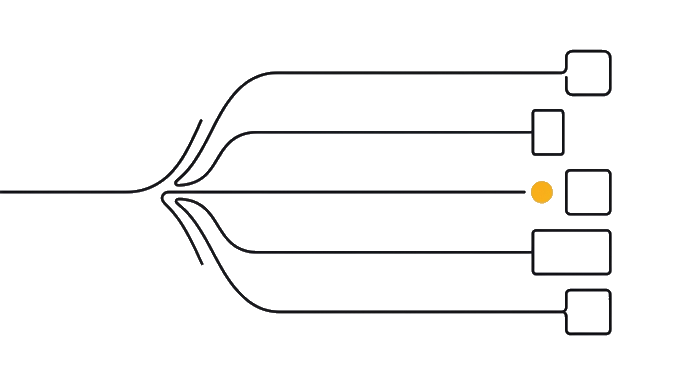
ChatGPT is a work surface, not one button. The same chat window can write, search, analyze files, read images, create images, use voice, run scheduled tasks, and hand off some work to agent mode.
| Ready | Needs work | |
|---|---|---|
| Job fit | The answer chooses one first surface, not every available tool | The task is still vague |
| Proof | It explains what source or context the task needs | The result is assumed |
| Risk | Low | Breaks when you treat ChatGPT as one feature because you pick tools by habit instead |
| Next move | Continue | Clarify first |
Use Ready only when the proof is visible.
Here is the before and after: before, ChatGPT is answering a loose request. After, you can explain what ChatGPT can do in plain language, choose a good first task, and avoid treating every answer as final.
Now try it use the exercise prompt on one real task from today. Keep the answer small enough to check before you reuse it.
You are ready when the task, source, surface, and proof are all visible.
Try it (8 min)
Watch out for
- Starting with agent mode because it sounds powerful when a normal chat would finish the job faster.
- Asking for current facts without search or dates.
- Uploading files and then asking a question that never tells ChatGPT how to use them.
- Accepting a confident answer without checking what source or context it used.
Paste this into Claude
I want to learn ChatGPT using one real task.

My task: [name a task you actually need this week]
What I already have: [notes, file, link, image, or nothing]
What might have changed recently: [name anything current, or write "nothing current"]
The output I need: [email, plan, summary, table, checklist, decision memo]

Tell me which ChatGPT surface I should use first: plain chat, search, file upload, Project, GPT, image input, voice, scheduled task, or agent mode. Then give me the exact first prompt to paste.
What a good response looks like
Use file upload first. Your task depends on the notes you already have, not current web information. First prompt: 'Use the attached notes to create a 10-item launch checklist. Separate tasks I can do today from tasks blocked on another person. If the notes do not say who owns an item, mark owner unknown.'
What good looks like
- The answer chooses one first surface, not every available tool
- It explains what source or context the task needs
- It names any current fact that requires search
- It gives you one paste-ready first prompt
When this breaks
- Breaks when you treat ChatGPT as one feature because you pick tools by habit instead of by task shape.
- Breaks when the answer depends on information ChatGPT cannot see because you never supplied the file, link, date, or source boundary.
AI can help with this
Use ChatGPT to help you you can explain what ChatGPT can do in plain language, choose a good first task, and avoid treating every answer as final. Start with the exercise prompt and your real input. Ask for one draft, then check it against this proof: The answer chooses one first surface, not every available tool. Accept only the version you can verify yourself.
You can now
You can choose the first ChatGPT surface from the job
- You can spot when search is required
- You can name the context ChatGPT can and cannot see
- You can ask for proof before acting
Key takeaways
ChatGPT gets useful when the surface matches the job. Decide what kind of help you need before you ask for the output.
- Plain chat is enough for drafting, rewriting, and thinking through supplied context.
- Use search when the answer can change.
- Use files, Projects, GPTs, or agent mode only when the job needs that structure.
- Ask what ChatGPT used and what it could not verify.