What Claude actually is (and what it isn't)
The mental model that decides how good your results are
After this, you'll be able to describe what Claude is in one sentence, explain why the same question can produce a weak or a strong answer, and write a request that gives Claude enough to reason with.
The idea
Claude is not a search engine that writes. It is a reasoning partner that composes a fresh answer from exactly what you give it. That difference is why the same question can return a weak answer or a strong one.
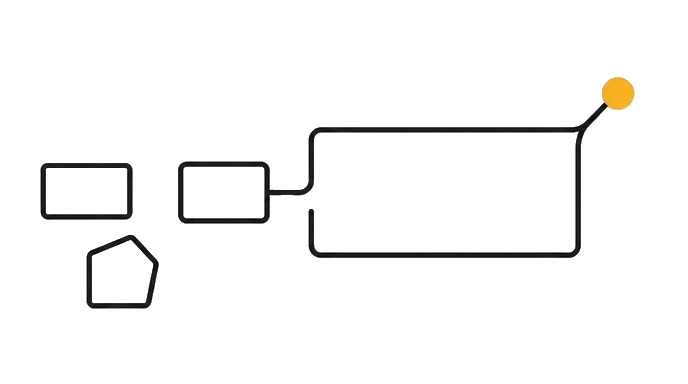
A search engine matches your words to pages someone already wrote. Claude reads your whole message, works through it, and writes something new on the spot.
Here is the before and after: Type "marketing email" and Claude invents a generic product for a generic audience, so the template fits no one. Type "write a short, friendly email to past customers of my pottery studio announcing a weekend glazing workshop, with one clear sign-up line" and the email comes back ready to send.
Now try it before you press enter on any request, add one sentence of context (who you are or who this is for) and one sentence about the result you want. Then send it from claude.ai in your browser.
The richer the frame you give Claude, the more it reasons and the less it guesses.
Try it (8 min)
Watch out for
- Typing a two-word topic and accepting whatever comes back, then concluding Claude 'isn't that smart'
- Treating the first answer as final instead of as a draft you can shape
- Leaving out who the answer is for, so Claude has to invent an audience and usually picks the wrong one
- Expecting Claude to read your mind about tone or length when you never stated either
Paste this into Claude
I run a small neighborhood coffee shop. I want to email my regular customers about a new loyalty card: buy 9 drinks, get the 10th free.

Write a short, warm email (under 120 words) announcing this. Use a friendly tone, explain how the card works in one line, and end with a single clear call to action telling people to ask for their card at the counter.

After the email, explain in two sentences why you chose the structure you did, so I understand what made it work.
What good looks like
- The email is under 120 words and clearly explains how the loyalty card works
- It ends with one specific call to action, not a vague 'see you soon'
- The tone matches a small friendly business, not a corporate brand
- Claude explains its structural choices in plain language afterward
When this breaks
- Breaks when you give a bare keyword instead of a request, because Claude has no situation to reason about and fills the gap with generic assumptions.
- Breaks when you assume there is one correct answer hiding inside Claude, because Claude composes a fresh response each time rather than retrieving a stored one.
AI can help with this
Paste this into claude.ai and fill the brackets: 'I am [who you are]. I want to [your goal] for [who the result is for]. Please write it as [format, length, and tone], and end with [the one outcome you want].'
You can now
You can complete the lesson outcome in a real Claude chat, Project, Artifact, Connector, Desktop, or Code surface.
- You can verify that the email is under 120 words and clearly explains how the loyalty card works.
- You can verify that it ends with one specific call to action, not a vague 'see you soon'.
- You can verify that the tone matches a small friendly business, not a corporate brand.
- You can verify that claude explains its structural choices in plain language afterward.
Key takeaways
Claude reasons from what you give it. A request rich in context gets a usable answer; a bare keyword gets a guess. The quality is in how you ask.
- Describe Claude as a reasoning partner, not a search box, so you stop expecting one correct stored answer.
- Add who you are and who the result is for in every request, because Claude reasons from context you supply.
- Name the format and tone you want up front, since Claude cannot read intent you never stated.
- Treat the first response as a draft to shape, not a verdict on whether Claude is capable.