Build a moodboard brief (words that point to a look)
After this, you'll be able to take a fuzzy sense of how you want something to look and work with Claude to write a moodboard brief: precise visual words that point anyone, a designer or an image tool, at the same look.
Before you start
Complete Name it: products, campaigns, and features first; with a named concept in hand, this lesson gives it a look by turning your fuzzy visual vibe into words anyone can follow.
The idea
You cannot pin down a look you cannot describe. Claude turns "I want it to feel, you know?" into words a designer can actually use.
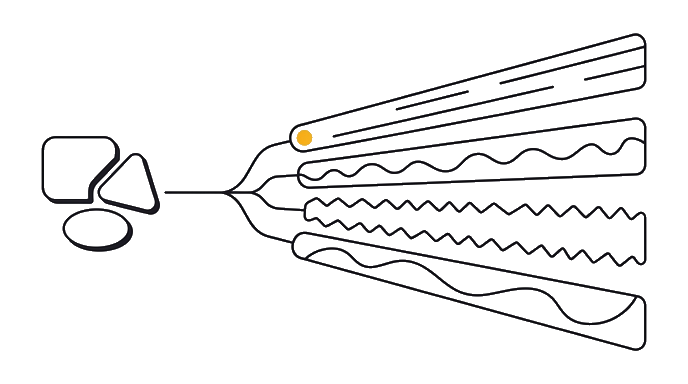
A moodboard is a collection of images, colors, and words that sets a visual direction before anything is built. Most people think a moodboard means hunting for pictures. The faster start is words: a moodboard brief that describes the feeling precisely enough that the right pictures, and the right design, become obvious.
Why words come before pictures is that a pile of images without a thread is only clutter. When you can say "warm, handmade, a little imperfect, earthy with one bright accent," you know which images belong and which do not. The words are the filter that makes a moodboard coherent instead of random.
What a moodboard brief names is the feeling in concrete terms. Three or four mood words (calm, bold, nostalgic). A color feeling (warm earth tones, cool and clinical, candy-bright). Textures and materials (paper, linen, chrome, hand-drawn). And one or two reference touchstones (the feeling of a certain shop, era, or place), described, not only named.
How Claude helps is by interrogating your vibe until it is specific. You say "I want it to feel premium but friendly," and Claude asks: premium like a quiet luxury hotel or like a bold fashion label? Friendly like a neighbor or like a kids' brand? Each answer turns mush into a word a designer can act on.
Here is the before and after: Someone tells a designer "make it feel modern and clean" and gets back something generic, then three rounds of "not quite." Someone else hands over a moodboard brief ("warm minimal, cream and clay, soft natural light, one rust accent, the calm of a slow Sunday") and the first draft already feels right.
Describe the look in concrete words before you gather a single image, because a moodboard brief is the filter that makes everything you choose after it agree.
Try it (9 min)
Watch out for
- Gathering images before you have words. Without a brief to filter by, a moodboard becomes a random pile that pulls in several directions at once.
- Stopping at vague mood words like 'modern' or 'clean.' They mean ten different things; let Claude push you to the specific version you actually mean.
- Naming a reference without describing it. 'Make it feel like that one brand' assumes the other person sees what you see; describe the feeling in words instead.
- Skipping the 'not this' line. Naming the nearest wrong direction saves more rounds than any amount of describing the right one.
Paste this into Claude
Help me turn a vague visual vibe into a moodboard brief: precise words a designer or an image tool could actually use. (A moodboard brief describes the feeling of a look in concrete words, before any pictures.)

What it's for: [e.g. "the look of my new bakery's brand and packaging"].
My fuzzy starting vibe: [SAY IT HOWEVER MESSY, e.g. "warm and old-timey but not grandma"].

Please:
1. Ask me 4 to 6 sharpening questions that turn my vibe into specifics (what kind of warm, which era, premium or homey, etc.).
2. Then write me a moodboard brief with: 3 to 4 mood words, a color feeling, textures and materials, and 1 to 2 reference touchstones described in words.
3. Add a short "not this" line so we rule out the nearest wrong direction.
What a good response looks like
Here is your moodboard brief for a warm, old-timey bakery:

**Sharpening answers you gave:** warm like late-afternoon sun, not sepia; early-1900s corner shop, not Victorian; homey but cared-for, not rustic-messy.

**Moodboard brief:**
- Mood words: warm, honest, hand-lettered, unhurried.
- Color feeling: soft cream and butter, warm browns, a single deep berry accent.
- Textures and materials: kraft paper, cotton string, a little ink bleed, worn wood.
- Reference touchstones: the calm of a corner bakery at opening time; the feel of a handwritten recipe card passed down a family.

**Not this:** sleek modern minimalism, cold grays, or heavy ornate vintage. If it feels like a tech startup or a haunted manor, we have drifted.
What good looks like
- You can explain why words should come before gathering images for a moodboard
- You answered sharpening questions that turned your fuzzy vibe into concrete specifics
- You have a moodboard brief with mood words, a color feeling, textures, and reference touchstones
- You added a 'not this' line that rules out the nearest wrong look
When this breaks
- Breaks when the brief stays abstract. 'Premium and friendly' gives a designer or an image tool nothing to grab; concrete words like 'cream, clay, soft light' do.
- Breaks when you keep it all in your head. A look that lives only as a feeling cannot be handed off, so every person who touches it guesses at a different version.
AI can help with this
Use Claude, ChatGPT, Gemini, Canva, Adobe Express, Firefly, Midjourney, Codex, or another approved creative tool based on the job. Give the assistant real brand context, examples, exclusions, and a review standard, then use human taste to choose what survives.
You can now
You can complete the lesson outcome against a real creative job, brand, asset, or campaign.
- You can explain why words should come before gathering images for a moodboard.
- You answered sharpening questions that turned your fuzzy vibe into concrete specifics.
- You have a moodboard brief with mood words, a color feeling, textures, and reference touchstones.
- You added a 'not this' line that rules out the nearest wrong look.
Key takeaways
A moodboard brief is the words that point everyone at the same look before any image is chosen. Let Claude turn your fuzzy vibe into concrete mood words, color feelings, textures, and references, and every later choice falls into line.
- A moodboard is images, colors, and words that set a visual direction; a moodboard brief is the words part, written first.
- Words come before pictures, because the brief is the filter that decides which images belong.
- A brief names mood words, a color feeling, textures and materials, and one or two described references.
- Claude sharpens a vague vibe by asking which exact version of 'modern' or 'premium' you mean.
- A 'not this' line ruling out the nearest wrong look saves more rework than describing the right one.
Go deeper