Name it: products, campaigns, and features
After this, you'll be able to brief Claude well enough to get strong name options for a product, campaign, or feature, then pressure-test the shortlist so you pick one you can actually live with.
Before you start
Complete Diverge then converge: generate concepts that aren't obvious first; once you have a concept worth keeping, this lesson gives it a name you can say out loud and defend.
The idea
A clear name you can defend beats a clever name nobody remembers. Claude is a tireless name machine, but only if you brief it like one.
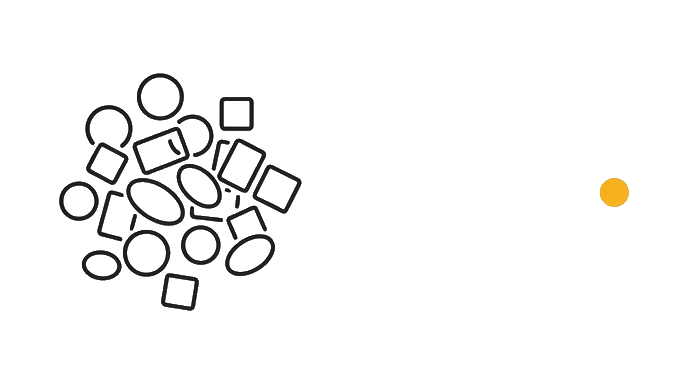
Naming feels impossible because you are staring at infinity. Claude removes the blank page, yet "give me some names" gets you the same generic list everyone gets. The fix is to brief the name before you ask for it.
A good naming brief names four things. What the thing actually is and does. The feeling you want the name to carry (playful, sturdy, premium). What to avoid (words you hate, names too close to rivals).
The fourth is a style: literal (says what it is), invented (a made-up word), or metaphor (borrows an image). Give Claude those four and the options sharpen at once.
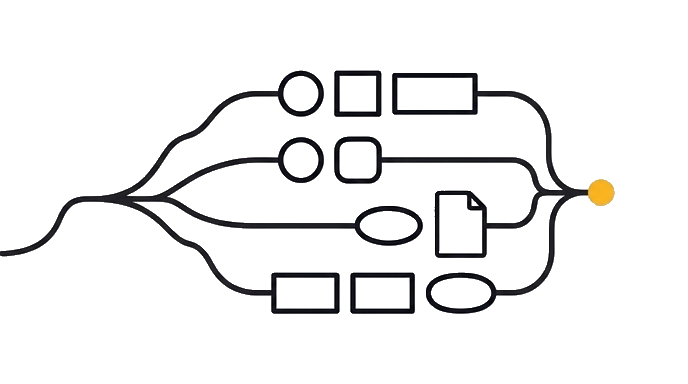
Generate in batches, by style. Ask for ten literal names, then ten invented, then ten metaphor names. Seeing the styles side by side tells you which direction even fits, which you rarely know up front. You are testing approaches, not only words.
Then pressure-test the shortlist, because a name that looks good on screen can fail out loud. Say each finalist aloud. Check it is easy to spell, does not accidentally mean something rude, and will still fit when you grow. Ask Claude to stress-test each one against those exact traps.
Here is the before and after: Someone asks for "names for my budgeting app" and picks "FinWise," which is fine and forgettable and half-taken. Someone else briefs the feeling ("calm, honest, not finance-bro"), generates by style, and lands on "Later," a calm, plain word that means exactly what the app is for.
Brief the feeling and the style first, generate in batches, then say the finalists out loud, because the best name is one you can defend long after the clever wears off.
Try it (9 min)
Watch out for
- Asking for names with no brief. 'Give me names for my app' produces the same generic list anyone would get, because Claude has nothing of yours to aim at.
- Judging names only on screen. A name lives out loud, so a finalist that is awkward to say or spell will quietly cost you every time someone shares it.
- Falling for clever over clear. A pun you have to explain is weaker than a plain word that says what the thing is and ages well.
- Skipping the hidden-meaning check. Run finalists past Claude for accidental rude readings or rival overlap before you fall in love with one.
Paste this into Claude
Help me name something properly: brief, generate, then pressure-test. Do not give me a generic list.

What I'm naming: [PRODUCT / CAMPAIGN / FEATURE, and what it does].
The feeling I want the name to carry: [e.g. "calm, honest, a little warm"].
What to avoid: [words, vibes, or rival names too close to mine].

Please:
1. Generate names in three batches: 8 literal (say what it is), 8 invented (made-up words), 8 metaphor (borrow an image). Label each batch.
2. After I pick a shortlist of 3 to 4, pressure-test each one: is it easy to say and spell, does it accidentally mean anything bad, will it still fit if I grow, does it feel like my brand?
3. Recommend one, and tell me the honest reason it wins.
What a good response looks like
Here are names for a calm budgeting app:

**Literal:** Later, Plain Money, Steady, Enough, Slow Spend.
**Invented:** Munno, Sava, Quil, Penno, Tendi.
**Metaphor:** Anchor, Harbor, Nest Egg, Ballast, Compass.

**Pressure-test of your shortlist (Later, Steady, Anchor):**
- Later: easy to say and spell, calm, means exactly the app's job (spend later, not now). Risk: a common word, harder to find online.
- Steady: warm and honest, no bad meanings, ages well. Risk: a few rivals lean similar.
- Anchor: strong image but a little heavy, and several finance apps already use boat metaphors.

**Recommendation: Later.** It is plain, calm, and on-message, and the "common word" risk is fixable with how you style it. It is the one you can defend in a year.
What good looks like
- You briefed the feeling, the style, and what to avoid before asking for names
- You generated names in batches by style (literal, invented, metaphor) and compared the approaches
- You pressure-tested a shortlist out loud for sound, spelling, hidden meanings, and room to grow
- You can defend your final choice with an honest reason, not only 'it sounds cool'
When this breaks
- Breaks when the brief is missing the feeling and the style. Without them, Claude defaults to safe, expected names, and you are back at the generic list you wanted to escape.
- Breaks when you pick the first name that excites you. Excitement fades; a name that fails the say-it-aloud and room-to-grow tests becomes a daily tax you cannot easily undo.
AI can help with this
Use Claude, ChatGPT, Gemini, Canva, Adobe Express, Firefly, Midjourney, Codex, or another approved creative tool based on the job. Give the assistant real brand context, examples, exclusions, and a review standard, then use human taste to choose what survives.
You can now
You can complete the lesson outcome against a real creative job, brand, asset, or campaign.
- You briefed the feeling, the style, and what to avoid before asking for names.
- You generated names in batches by style (literal, invented, metaphor) and compared the approaches.
- You pressure-tested a shortlist out loud for sound, spelling, hidden meanings, and room to grow.
- You can defend your final choice with an honest reason, not only 'it sounds cool'.
Key takeaways
Naming gets easy when you brief the feeling and style first, generate by batches, and pressure-test the shortlist out loud. The winner is the plain name you can defend, not the clever one you have to explain.
- Brief four things before asking: what it is, the feeling, what to avoid, and the naming style.
- Naming styles are literal (says what it is), invented (a made-up word), and metaphor (borrows an image).
- Generate in batches by style so you can see which approach even fits before choosing words.
- Pressure-test finalists out loud: sound, spelling, hidden meanings, and room to grow.
- A plain name you can defend beats a clever one you have to explain, because clever wears off.
Go deeper