Diverge then converge: generate concepts that aren't obvious
After this, you'll be able to run a two-step idea session with Claude: first generate many wildly different concepts without judging them, then narrow and combine them into the few worth pursuing.
Before you start
Complete Pressure-test your brand against competitors first; with your difference clear, this lesson puts it to work generating concepts that are yours, not the obvious ones everyone reaches for.
The idea
The first idea Claude gives you is the idea everyone gets. The good one is usually hiding behind nineteen worse ones.
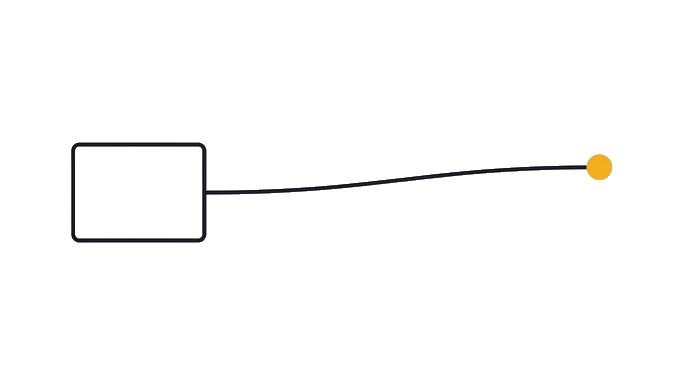
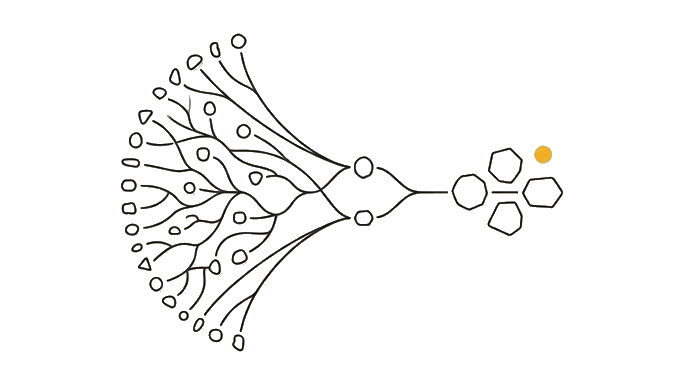
Real creative thinking happens in two separate moves, and most people skip the first. The two moves are diverge (generate lots of options, widely, without judging) and converge (narrow down and pick the strongest). Doing both at once is why ideas come out safe.
Why "give me the best idea" fails is that you are asking Claude to diverge and converge in one breath. It plays it safe and hands you the obvious answer. Asked to be excellent in one shot, it gives you the average, because the average is the safest bet.
Diverge first, on purpose. Ask Claude for twenty concepts, deliberately different from each other, including a few strange ones, with no judging yet. Quantity is the goal here, not quality. You are widening the field so the surprising idea has room to show up.
Then converge, as a second step. Now you switch hats. You pick the three that spark something, tell Claude why, and ask it to push those further or combine two into one. Judging belongs here, after the options exist, never before.
Here is the before and after: Someone asks "what is a good campaign idea for my tea shop" and gets "cozy autumn vibes," which is fine and forgettable. Someone else asks for twenty wild directions, spots "a tea for every bad day," and builds a whole honest, funny campaign from the one nobody expected.
Make the bad ideas first by diverging wide, then put your judgment to work converging, because the idea worth using rarely arrives first or alone.
Try it (10 min)
Watch out for
- Asking for 'the best idea' in one go. That collapses diverging and converging together, so Claude hands you the safe, obvious answer every time.
- Judging during the diverge step. The moment you start ranking, the strange options stop coming; keep judgment out until you have a wide field.
- Stopping at five concepts. The surprising idea usually shows up past number ten, so push for real quantity before you narrow.
- Grabbing the first idea that is 'fine.' Fine is the average; the idea worth using is the one you pick on purpose after seeing the range.
Paste this into Claude
I want to run a proper two-step idea session with you, not get one safe answer. We will diverge first, then converge.

What I need ideas for: [DESCRIBE, e.g. "a launch campaign for my handmade candle brand"].
My brand in one line (voice + what makes me different): [FROM MODULE 1, or describe].

Step 1 (diverge): give me 20 concepts that are deliberately different from each other. Include a few strange or risky ones. Do NOT judge or rank them yet. One line each.

After I read them I will pick a few, and then we do Step 2 (converge): I tell you which ones spark something and why, and you push those further or combine two into one stronger idea.
What a good response looks like
Here is the two-step session, for a candle brand:

**Step 1, diverge (20 quick directions, no judging):**
1. A scent for every room of a memory.
2. Candles named after specific rainy days.
3. "Burn this when you need to leave the party early."
4. Scents that smell like places that no longer exist.
5. A candle that is also a permission slip to rest.
... (15 more, including a few odd ones)

**Step 2, converge (after you pick):**
You loved 3 and 5. Both are about giving yourself permission. Combined idea: a small collection called "Off Duty," each candle a permission slip in scent form, with a one-line note on the label. That came from the strange options, not the safe "cozy candles for autumn" you would have shipped otherwise.
What good looks like
- You ran diverge and converge as two separate steps, not one combined request
- You got at least 15 to 20 genuinely different concepts before any judging happened
- You picked a few that sparked something and told Claude why, instead of grabbing the first
- Your final idea came from pushing or combining the surprising options, not the obvious one
When this breaks
- Breaks when you ask Claude to be brilliant in one shot. With no room to generate widely, it returns the center of the road, because that is the safest single answer.
- Breaks when you never converge. Twenty ideas with no judgment is a pile, not a direction; the second step, where your taste picks and combines, is what turns options into a concept.
AI can help with this
Use Claude, ChatGPT, Gemini, Canva, Adobe Express, Firefly, Midjourney, Codex, or another approved creative tool based on the job. Give the assistant real brand context, examples, exclusions, and a review standard, then use human taste to choose what survives.
You can now
You can complete the lesson outcome against a real creative job, brand, asset, or campaign.
- You ran diverge and converge as two separate steps, not one combined request.
- You got at least 15 to 20 genuinely different concepts before any judging happened.
- You picked a few that sparked something and told the creative assistant why, instead of grabbing the first.
- You can verify that your final idea came from pushing or combining the surprising options, not the obvious one.
Key takeaways
Strong concepts come from two separate moves: diverge to generate many wild options without judging, then converge to pick and combine with your taste. Asking for the best idea in one breath only gets you the obvious one.
- Diverge means generating many options widely without judging; converge means narrowing to the strongest.
- Asking for 'the best idea' at once collapses both moves, so Claude returns the safe, obvious answer.
- Diverge first: ask for twenty deliberately different concepts, including strange ones, with no ranking.
- Converge second: pick the few that spark something, say why, and push or combine them.
- The idea worth using rarely arrives first; it usually hides behind the worse ones you make on the way.
Go deeper