Memory vs Projects: why you need both
Standing context you set and a summary Claude keeps solve different problems
After this, you'll be able to route any piece of context to the right system, so each focused area gets its own Project Instructions and your everyday-chat patterns are left to Memory, and you stop expecting one to configure the other.
Before you start
Complete Memory: what it is, what it stores, and how to control it first; this lesson builds on your understanding of Memory by contrasting it with Projects so you know which system each piece of context belongs in.
The idea
Memory is the summary Claude builds of your everyday chats; a Project is a separate workspace with its own Instructions and its own memory. They are easy to confuse because both feel like "Claude remembering you," but they cover different ground. Memory works on your normal conversations only, and each Project keeps its own standing context that you set on purpose.
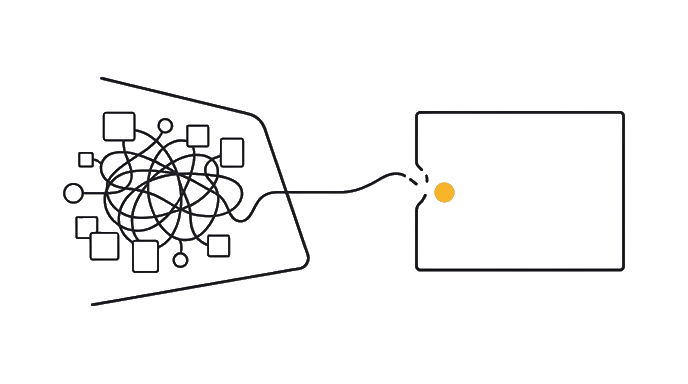
The key fact most people miss: your global Memory does not flow into a Project. Claude builds Memory from your everyday chats (it skips chats inside Projects), so it makes those everyday chats feel personal on its own. A Project does not inherit that summary, which is why every Project carries the context you give it in its own Instructions.
The routing rule is one line. A pattern for your everyday chats goes to Memory, and Claude picks it up on its own; context for one focused area goes in that Project's Instructions, set once per Project. "I prefer bullet points" is the kind of thing Memory captures from your normal chats; "Our brand voice never uses jargon" is an Instruction you write in the brand Project.
Here is the before and after: Before, a consultant puts "concise answers, based in Berlin" in Memory and assumes every client Project will follow it, then is surprised when a Project ignores those lines. After, she lets Memory handle her everyday chats and writes the concise tone and no-discount rule straight into each client Project's Instructions, where that Project will actually use them.
Now try it: take three things you want Claude to know and sort each one out loud, "this is for my everyday chats" so Memory handles it on its own, "this is for one focused area" so it goes in that Project's Instructions.
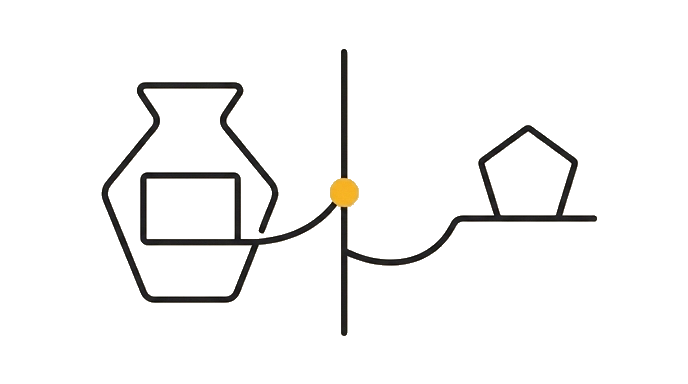
Memory makes your everyday chats personal automatically; Projects give your focused areas their own standing Instructions. You need both because neither reaches into the other.
Try it (10 min)
Watch out for
- Expecting your Memory summary to apply inside a Project; it does not, because Claude builds Memory from your everyday chats and skips Projects, so each Project needs its own Instructions
- Telling Claude to remember one client's rule for your everyday chats; client-specific context belongs in that client's Project Instructions, not in Memory
- Assuming Project context travels to other Projects; it does not, so each Project needs the context written into its own Instructions
- Leaving a focused area's Project Instructions empty because Memory feels personal; Memory never reaches a Project, so an empty Project starts cold
- Re-deciding the routing every time; learn the rule once (everyday-chat patterns to Memory, focused-area context to that Project's Instructions) and apply it fast
Paste this into Claude
Help me route my context to the right place. I know Memory is built from my everyday chats and does not reach into my Projects, so I want everyday-chat patterns left to Memory and focused-area context written into each Project's Instructions.

Here is a mixed list of things I want you to know:
[list 6 to 10 items, mixing everyday personal patterns and area-specific context, e.g.:
- I prefer short, direct answers
- My agency's brand voice is playful but never sarcastic
- I'm based in Toronto
- This client never wants discounts mentioned
- I always want metric units
- For my newsletter, the audience is small-business owners]

For each item, tell me:
1. Whether it belongs in Memory (a pattern for my everyday chats that Claude can pick up on its own) or in a specific Project (context for one focused area), and why
2. If it is Project context, which Project it belongs to and whether it is an Instruction or a Knowledge File
3. A one-line summary of what I should set up where
What good looks like
- Each item was routed to either Memory or a specific Project with a clear reason
- Everyday-chat patterns were left to Memory; focused-area context was written into the relevant Project's Instructions
- Claude flagged any item you put in the wrong place if you guessed first
- You can state the routing rule in one sentence after the exercise
- You moved at least one misplaced item to its correct system in your real setup
When this breaks
- Breaks when you expect Memory to set up a Project, because Claude builds Memory from your everyday chats and never feeds it into a Project, so the Project starts with none of that context until you write its own Instructions.
- Breaks when you push a single client's rule into Memory, because Memory shapes your everyday chats, so that rule surfaces in unrelated everyday conversations while still never reaching the Project it was meant for.
AI can help with this
Paste this into Claude: 'Here is a mix of everyday personal patterns and work-specific context: [list 6 to 10 items]. Remembering that Memory comes from my everyday chats and does not reach into Projects, tell me for each whether to leave it to Memory or write it into a specific Project's Instructions, and why.'
You can now
You can complete the lesson outcome in a real Claude chat, Project, Artifact, Connector, Desktop, or Code surface.
- You can verify that each item was routed to either Memory or a specific Project with a clear reason.
- You can verify that everyday-chat patterns were left to Memory; focused-area context was written into the relevant Project's Instructions.
- You can verify that claude flagged any item you put in the wrong place if you guessed first.
- You can state the routing rule in one sentence after the exercise.
Key takeaways
Memory is the summary Claude builds from your everyday chats, and it does not reach into your Projects; each Project carries the standing context you write into its own Instructions. You need both because Memory makes your everyday chats personal on its own while Projects give your focused areas the persistent context Memory never touches.
- Route everyday-chat patterns to Memory, which Claude builds on its own, and focused-area context to that Project's own Instructions.
- Remember your global Memory does not reach into a Project; Claude builds it from your everyday chats and skips Projects entirely.
- Give each Project its own Instructions, because Project context never travels between Projects and Memory never fills it in for you.
- State the routing rule in one line: everyday-chat patterns to Memory, focused-area context to that Project's Instructions.
- Treat Memory and Projects as partners that cover different ground; Memory personalizes your everyday chats while Projects hold the standing context Memory cannot touch.
Go deeper