Build boards from real direction
Reference, intent, use, owner
After this, you'll be able to use AI to organize references into boards that explain intent, usage, rights status, and approval owner.
Before you start
Complete Turn the brief into production facts.
The idea
Boards work when every image has a job.
| Hero | Human | Type | |
|---|---|---|---|
| Intent | Product focus | Energy | Rhythm |
| Use | Opening frames | Cutaways | Supers |
| Limit | Do not copy shot | Do not copy talent | Do not copy layout |
| Owner | Creative director | Producer | Designer |
Reference is not clearance.
Board rule: each reference needs intent, use case, rights status, and owner. A pile of images is not a board.
AI can cluster references by tone, camera, color, pacing, or layout. A human still decides what belongs in the creative direction.
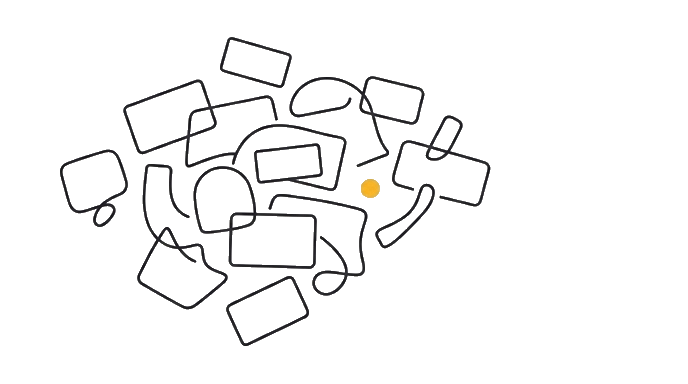
Worked example: twelve references become three lanes: product hero, human energy, and typography. Each lane has a one-sentence intent and notes on what not to copy.
A board should guide the cut without pretending references are cleared assets.
Boards are decisions, not image collections. A good board says why each lane exists and how the team should use it. Tone, camera language, color direction, type behavior, pacing, and sound can each need a different lane.
Use AI to organize the references, then remove anything that does not guide a production choice. Keep a clear "do not copy" line for each lane. That line matters because reference boards can accidentally become shot instructions, especially when teams are moving fast.
Try it (12 min)
Watch out for
- Treating reference images as cleared assets.
- Using boards as decoration.
- Copying exact frames without rights review.
- Leaving no owner for approval.
Paste this into Claude
Organize this board.

References: [paste links or descriptions]
Project goal: [goal]
What each reference might show: [tone, camera, color, pacing, type, edit]
Rights status: [cleared, unknown, reference only]
Approval owner: [name]

Return:
1. Board lanes.
2. Intent for each lane.
3. What not to copy.
4. Rights and approval notes.
What a good response looks like
Lanes: Product hero, Human energy, Type rhythm. Do not copy exact frames, wardrobe, or logo placement. Rights: reference only until producer confirms. Approval: creative director signs off on lanes before edit starts.
What good looks like
- The board has clear lanes
- Each lane has intent
- It says what not to copy
- It keeps rights and approval visible
When this breaks
- Breaks when references are used as assets instead of direction.
- Breaks when a board lane has no production use.
AI can help with this
Use your AI assistant to help you you can use AI to organize references into boards that explain intent, usage, rights status, and approval owner. Start with the exercise prompt and your real input. Ask for one draft, then check it against this proof: The board has clear lanes. Accept only the version you can verify yourself.
You can now
You can group references
- You can write lane intent
- You can block copying
- You can name approval
Key takeaways
Boards become production tools when every reference has intent, limits, and an owner.
- Every image needs a job.
- Rights status stays visible.
- Do not copy blindly.
- Approval happens before use.
Go deeper