Build the publishing packet
Copy, assets, rules, proof
After this, you'll be able to turn AI output into a publishing packet with approved copy, assets, brand rules, owner, deadline, and proof.
Before you start
Complete Choose the publish surface first.
The idea
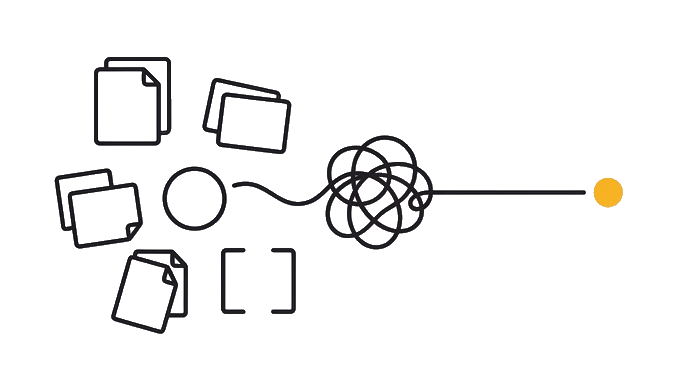
A publishing packet stops the same asset from being rebuilt three times.
- GoalAfter this, you'll be able to turn AI output into a publishing packet with approved
- InputsApproved copy is different from draft copy
- Build the publishing packetThe packet separates approved copy from unknowns
- ReviewIt lists assets and brand rules
- ProofWrite one packet that separates approved inputs, unknowns, brand rules, and proof
Packet rule: the packet carries what is approved, what is missing, and what must not change. It is the handoff between chat, design, code, and publishing tools.
Keep the packet short. It should include copy, asset links, brand rules, final surface, approval owner, and proof.
Worked example: ChatGPT drafts a launch note. The packet adds the approved headline, product image, logo rule, Canva post size, PDF export need, and final approval owner.
A good packet lets any tool continue the work without inventing the missing parts.
What belongs in the packet: the packet is not a brief rewrite. It is a short control sheet for the next tool or person. Put approved copy in one block, draft copy in another block, and missing copy in a visible list. The AI should not turn missing copy into confident language.
The packet also needs a no-change list. Examples: do not change the product claim, do not replace the client logo, do not swap the approved CTA, do not crop the legal line. That list prevents a later tool from improving the wrong thing.
Try it (12 min)
Watch out for
- Treating rough AI copy as approved copy.
- Leaving image rights or brand rules out.
- Naming a tool but not the final surface.
- Skipping the approval owner.
Paste this into Claude
Create a publishing packet.

Draft or idea: [paste]
Approved copy: [paste or unknown]
Assets: [links or missing]
Brand rules: [logos, colors, fonts, tone]
Final surface: [where it will publish]
Approval owner: [name]
Proof: [what must be checked]

Return a six-field publishing packet.
What a good response looks like
Approved copy: headline and three bullets. Assets: logo, product still, color values. Brand rules: use the current logo and no new claims. Surface: Canva square post and PDF. Owner: Talia. Proof: preview post, open PDF, and get written approval.
What good looks like
- The packet separates approved copy from unknowns
- It lists assets and brand rules
- It names final surface
- It names approval and proof
When this breaks
- Breaks when missing assets are filled with guesses.
- Breaks when approval is implied but not assigned.
AI can help with this
Use your publishing tool to help you you can turn AI output into a publishing packet with approved copy, assets, brand rules, owner, deadline, and proof. Start with the exercise prompt and your real input. Ask for one draft, then check it against this proof: The packet separates approved copy from unknowns. Accept only the version you can verify yourself.
You can now
You can package approved inputs
- You can keep unknowns visible
- You can assign approval
- You can define proof
Key takeaways
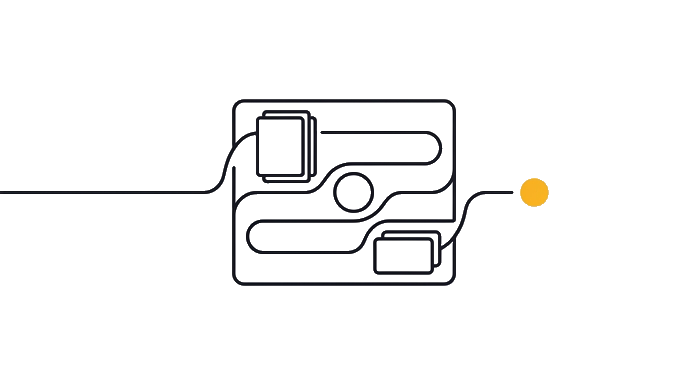
A publishing packet turns AI output into controlled handoff material.
- Approved copy is different from draft copy.
- Assets need links or owners.
- Brand rules travel with the packet.
- Proof belongs in the handoff.