Build the Q&A appendix
Answers without slowing the core deck
After this, you'll be able to create a Q&A appendix map and use it to move a deck from rough material toward a presentable file.
Before you start
Complete Rehearse the talk track first.
The idea
The appendix holds backup proof, definitions, details, and answers that would slow the main story. This lesson asks you to make a Q&A appendix map, not a prettier version of scattered notes. The output should be specific enough that someone could open the deck file and see what changed.
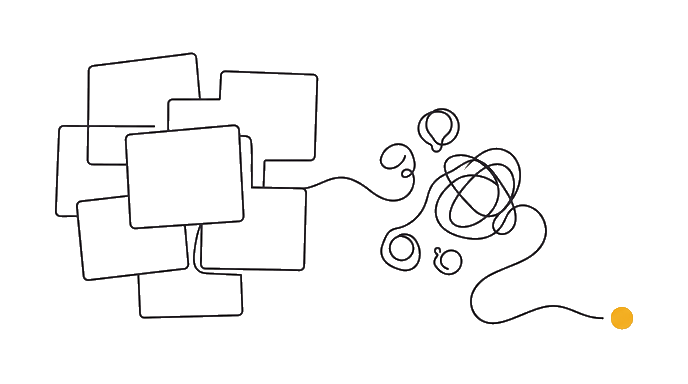
Here is the before and after: Before, the core deck carries every answer and becomes heavy. After, the main story stays focused and the appendix is ready when questions come. For example, if you are preparing a sales presentation, the artifact should name the audience, slide job, proof, speaker note, or export check where that detail matters. A reviewer should be able to tell whether the deck is closer to being presented, sent, or handed off.
Now try it: Ask Claude to turn likely objections and proof gaps into appendix slides. Make one choice before asking Claude to write: which audience, which decision, which proof, which slide job, or which delivery mode matters most right now. That choice keeps the deck from becoming a generic presentation outline.
The lesson is done when the artifact moves the deck toward a real room, reader, or file handoff.
Try it (15 min)
Watch out for
- Putting weak core proof in the appendix to avoid fixing it.
- Building appendix slides nobody can find quickly.
- Writing answers longer than the meeting can handle.
Paste this into Claude
Build a Q&A appendix plan for this deck. Use likely questions, objections, and missing proof: [paste]. Return Appendix Slide, Question Answered, Source Needed, One-Sentence Answer, and Whether It Belongs In Core Deck.

If any input is missing, ask me up to three questions before producing the artifact. Then return five sections: Finished Artifact, Realistic Deck Example, Assumptions To Check, What I Should Use In The Next Lesson, and One Risk If I Present Or Send This Without Fixing It. Keep the answer practical enough that I can paste it into my deck working doc.
What a good response looks like
Finished Artifact:
- a Q&A appendix map
- Why it matters: it gives the deck a concrete thing to inspect instead of a vague intention.
- Use it next: paste this artifact into the next lesson before asking Claude to write, build, import, publish, or review anything.

Reality Check:
- The artifact names the user, input, decision, owner, or proof it depends on.
- The weakest assumption is visible.
- The next step can be completed in one sitting.
What good looks like
- Likely questions are mapped to appendix slides.
- Each appendix slide has a source need.
- Core-deck candidates are marked.
- Answers are short enough to use live.
Go deeper (8 min)
Paste this into Claude
Without rereading the lesson, explain why a Q&A appendix map matters in three bullets. Then apply it to a second deck example: [describe a different audience, room, or topic]. Return What Changed, What Stayed The Same, What To Check Before Presenting Or Sending, and the exact next action.
What a good response looks like
Transfer Check:
- What changed: the second example has a different audience, input, or delivery context.
- What stayed the same: a Q&A appendix map still needs a source, a review check, and a next step.
- Before trusting it: inspect the delivery check that would catch a wrong assumption.
- Next action: run the check once, then carry the revised artifact into the next lesson.
What good looks like
- You explained the lesson idea from memory before applying it again.
- The second example changes the artifact instead of copying the first answer.
- The delivery check names a real risk.
- The next action can be done in one sitting.
When this breaks
- Fails when the appendix is a dumping ground because it cannot support live questions.
- Breaks when core proof is hidden because the main story becomes under-supported.
AI can help with this
Paste the exercise prompt into Claude with your real deck context. Ask Claude to interview you one question at a time, produce a Q&A appendix map, challenge the weakest assumption, and rewrite the artifact once so it is ready for the next deck step.
You can now
You can explain a Q&A appendix map in one sentence.
- You can name the source material or decision it depends on.
- You can name the assumption that still needs checking.
- You can point to the check that proves it is ready for the next deck step.
Key takeaways
A good appendix keeps the story focused and gives the presenter backup when the room asks for detail.
- Appendix slides answer likely questions.
- Core proof should not hide in the appendix.
- Answers need source support.
- Appendix order should be easy to navigate.